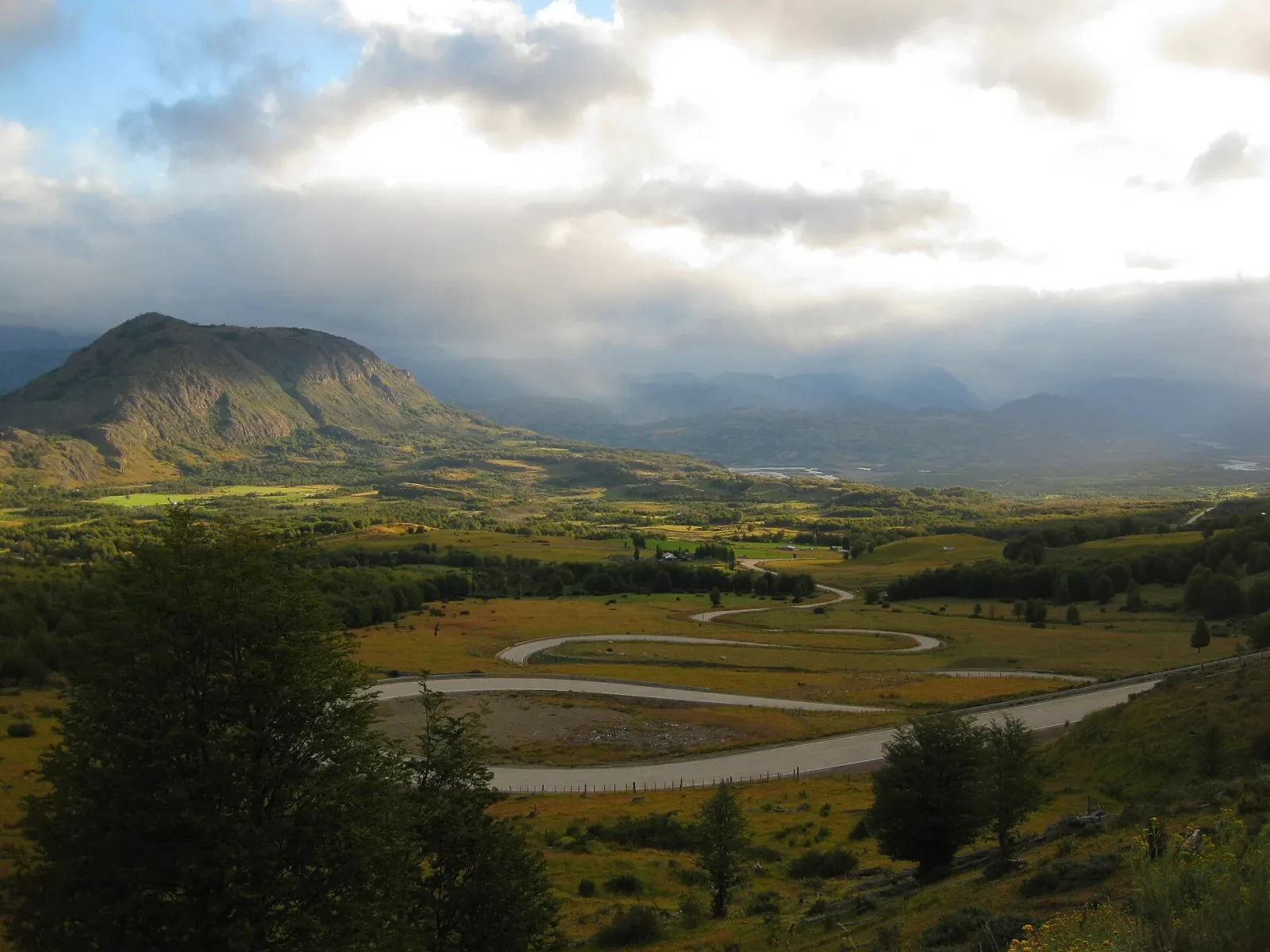
The Carretera Austral winding through a green Patagonian mountain valley

Decision guide

Carretera Austral: Plan the Ferries Before the Driving Days

Build a Carretera Austral road trip around the actual ferry connections, gravel permission and reliable overnight bases instead of map mileage alone.

Go to the guide
decision6 planning sectionsReviewed 2026-10-01
Carretera Austral planning sequence
DecisionCheckWhy it comes first
CorridorNorthern fjords, central Aysen or a longer Route 7 journeyEach shape has different road and ferry dependencies
CrossingsExact operator, vehicle category, boarding point and current scheduleA missed or unavailable crossing changes the overnight sequence
VehicleWritten surface, ferry and recovery permissionA vehicle that can drive gravel may still breach its rental terms

Answer first

Use the constraint that changes the plan.

Treat the Carretera Austral as a chain of road and ferry stages, not an uninterrupted highway. Choose the part of Route 7 you want to travel, identify the crossings that connect it, and confirm current operator information before setting overnight towns. Only then select a rental vehicle whose written terms allow the intended surfaces and crossings.

01

Choose a corridor, not just an end point

Chile Travel identifies Puerto Montt as the northern approach and Balmaceda/Coyhaique as a central gateway. A trip focused on the northern fjords needs a different transport plan from one centered on Aysen or the farther south.

  • Mark the places you intend to sleep and the sections you can reasonably explore from them.
  • Do not promise a full-route completion if the time available only supports one region.
  • Build a return or onward exit before adding remote detours.

02

Identify each ferry dependency

The route includes ferry crossings, including the northern access via Caleta La Arena and onward connections near Hornopiren. The crossing you need depends on your actual corridor; current schedules and booking rules belong to the operator, not a static article.

  • Write down the boarding points for each required crossing.
  • Check vehicle category, passenger details and any advance-booking rules with the operator.
  • Keep an overnight option before or after a crossing if a delay would otherwise create an unsafe drive.

03

Confirm the rental contract separately

Chile Travel notes gravel sections and variable climate. That describes the road, not what a particular rental contract permits.

  • Ask about unsealed-road, ferry and border clauses for the exact rental class.
  • Check tires, spare equipment and roadside recovery terms.
  • Do not assume an all-terrain vehicle includes all-risk insurance or unrestricted access.

04

Put services into the day plan

A remote section may have limited fuel, food or reliable signal. Use the last dependable town as a decision point, not merely a fuel stop.

  • Refuel before a sparse segment rather than at the end of a narrow range estimate.
  • Save booking and operator details offline.
  • Carry water, food and weather layers for a delay, not just the expected drive.

05

Fallbacks that keep the trip useful

A changed ferry or road condition does not require inventing an improvised route. Stay within the region you can access, reduce side trips, or move the overnight after checking the provider's terms.

  • Use official road and ferry updates near departure.
  • Do not drive an unverified shortcut around a restriction.
  • Keep one flexible day where the route has multiple hard transport links.

06

Decision rule

Book the hard connection before polishing the sightseeing list. If the vehicle, crossing or next safe overnight cannot be confirmed, shorten the corridor rather than stretching the driving day.

Related routes

Route pages contain the current structured pace, vehicle, itinerary and official-source context.

Official references

Recheck what can change

Sources were reviewed on 2026-10-01. Current road, rental and access rules can change sooner.