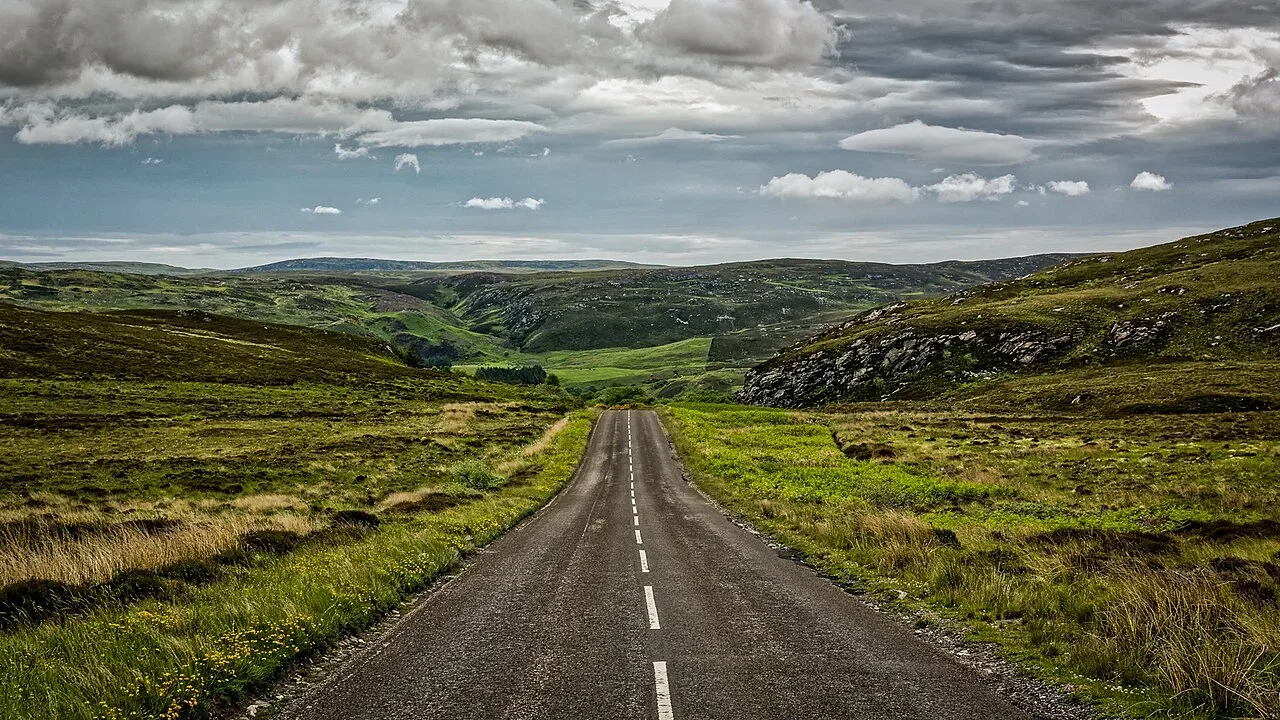
A narrow single-track road winding through the Scottish Highlands

Decision guide

North Coast 500: Car or Campervan?

Choose an NC500 vehicle from single-track skill, vehicle size, legal overnight stops and the roads you actually intend to drive.

Go to the guide
decision6 planning sectionsReviewed 2026-10-01
NC500 car versus campervan decision
VehicleGood fitMust resolve
CarNarrow roads, village stays and flexible day stopsAccommodation sequence and luggage capacity
Small campervanDesignated campsite rhythm with some onboard flexibilityVehicle dimensions, passing-place confidence and campsite bookings
Large motorhomeOnly a route deliberately adjusted to sizeNC500 alternative-road advice, reversing ability and suitable overnight facilities

Answer first

Use the constraint that changes the plan.

Choose a car if you want the simplest access to narrow NC500 side roads and are comfortable using booked accommodation. A campervan suits a campsite-based journey only when its size fits the chosen roads and the driver can confidently reverse and use passing places. Neither vehicle makes roadside camping lawful, and the rental contract must allow the intended route.

01

Start with the roads, not the vehicle photo

The NC500 organization identifies minor roads that larger motorhomes should avoid. Decide whether those roads matter to the trip before booking a vehicle; an attractive rental listing does not certify route suitability.

  • Check the current NC500 map and vehicle advice for the exact road sections.
  • Ask the rental firm for dimensions and any road restrictions in writing.
  • Use an alternative road when the operator or authority advises it; this is still a valid Highlands trip.

02

Single-track skill is a booking criterion

Traffic Scotland explains that passing places keep single-track roads moving and must not be used as parking. A driver may need to wait opposite a passing place or reverse to one.

  • Assess whether you can reverse the booked vehicle safely before taking narrow detours.
  • Let local traffic pass where safe without blocking a passing place.
  • Do not stop for a photograph where you obstruct the road.

03

Car plus accommodation

This is the lower-complexity option for many first-time drivers. It trades onboard sleeping for a clearer vehicle fit and a need to reserve appropriate bases.

  • Build shorter daily stages around places you genuinely want to explore.
  • Check arrival windows in small-town accommodation.
  • Keep a weather or fatigue fallback without adding an unsafe late drive.

04

Campervan plus designated stops

The freedom of a campervan depends on lawful places to stop, facilities and a vehicle the driver can handle. VisitScotland asks NC500 visitors to use designated parking and camping areas.

  • Plan campsites before assuming a remote overnight is available.
  • Confirm water and waste facilities, not just a place to park.
  • Do not treat passing places or scenic pullouts as overnight accommodation.

05

Rental and insurance check

  • Confirm roads and vehicle size permitted by the contract.
  • Check excess, recovery, tires, glass and additional-driver terms.
  • Ask whether a rental firm provides advice for narrow Highlands roads; do not infer insurance coverage from the vehicle category.

06

Decision rule

If narrow-road freedom and simple logistics matter most, choose a car. If campsite travel is central and the driver can handle the booked van on the planned roads, choose a campervan with designated nights. Use a different route for any segment that exceeds the vehicle or driver's fit.

Related routes

Route pages contain the current structured pace, vehicle, itinerary and official-source context.

Official references

Recheck what can change

Sources were reviewed on 2026-10-01. Current road, rental and access rules can change sooner.